What We Are Doing in the Month of October
Hello Parents!
This month, we will be focusing on increasing and developing your child's phonetics, specifically their phonics. Phonics is defined as is, "the relationship between letters and sounds in words. (being able to see the letters, hear the sounds and reproduce them)," (Ranweiler, L., 2004). In order to help their phonics, we have been doing several activities.
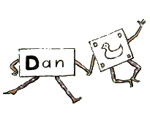
For example, we have a letter bolding activity in which I have the students embolden the letter of a word to help them remember the letter and its corresponding sound (Letter Links). We started off with their names, as this is one of the most familiar words they know. After sounding out their names, they then proceed to embolden the first letter of their names. I have expanded on this activity where when we come upon a new word as we read as a class, I go up to the SMARTboard and write it out. I then have the class sound out the word and have one of the children come up and embolden it. This activity alone has had a profound effect on the class, as several students come up to me through out the day and exclaim, "Ms. Chung! I was looking at __ and saw the letter __!"and proudly sound out the word. Activities such as these help create a rich, oral language environment that assists children's development of sounds and how they are used to communicate meaning (Casbergue &Strickland, 2016).
I believe that learning should not stop at the classroom. I strongly encourage you all to help extend the learning by continuing activities that can develop your children's linguistic competence. I know that doing this may add extra work into your busy schedules, however, I have tried to make these activities adaptable to daily life.
This month, we will be focusing on increasing and developing your child's phonetics, specifically their phonics. Phonics is defined as is, "the relationship between letters and sounds in words. (being able to see the letters, hear the sounds and reproduce them)," (Ranweiler, L., 2004). In order to help their phonics, we have been doing several activities.
For example, we have a letter bolding activity in which I have the students embolden the letter of a word to help them remember the letter and its corresponding sound (Letter Links). We started off with their names, as this is one of the most familiar words they know. After sounding out their names, they then proceed to embolden the first letter of their names. I have expanded on this activity where when we come upon a new word as we read as a class, I go up to the SMARTboard and write it out. I then have the class sound out the word and have one of the children come up and embolden it. This activity alone has had a profound effect on the class, as several students come up to me through out the day and exclaim, "Ms. Chung! I was looking at __ and saw the letter __!"and proudly sound out the word. Activities such as these help create a rich, oral language environment that assists children's development of sounds and how they are used to communicate meaning (Casbergue &Strickland, 2016).
 |
| https://letterlinks.highscope.org/images/dancingdan.jpg |
I believe that learning should not stop at the classroom. I strongly encourage you all to help extend the learning by continuing activities that can develop your children's linguistic competence. I know that doing this may add extra work into your busy schedules, however, I have tried to make these activities adaptable to daily life.
 |
| https://www.mypoint.co.za/img/activities.png |
The first activity I would like to include is simple; read a book with your child. This can be done right before they go to bed as part of their night time routine. This can help develop your child's language ability, which can increase vocabulary and abilities to build language and reading skills (Richardson, 2016). Additionally, please try to be intentional and focus your child's attention to the sounds of the language as you read aloud to them (Casbergue &Strickland, 2016).
 |
| http://www.friendshipcircle.org/blog/wp-content/uploads/2014/12/5-Ways-to-Make-Book-Reading-a-Sensory-Experience-for-Your-Child.jpg |
Another fun activity that I am sure you and your child would enjoy is having your kids write the menu for daily meals. List off what you will all be eating and your child can attempt to not only write out the menu items, but draw them as well! While you can always scaffold, or help, your child with the sounds, do not be discouraged if their spelling is not perfect. Instead of automatically correcting them, ask questions of why they drew a certain picture or why they used a certain letter. It is important to learn their reasoning (Casbergue &Strickland, 2016).
 |
| http://www.clickinmoms.com/cmprodaily/wp-content/uploads/2016/12/drawing_with_crayons_on_kids_menu_girlhood22kids-menu-doodles22_by-Eileen-Critchley.jpg |
Finally, the last activity I think that can help extend your child's phonetics, is to have them help with your grocery or errand list! You could ask them to help you look through the fridge and see what's missing. Or you could simply ask them to help write out your list! As you take in their suggestions, make sure to sound out each letter as you write them out (Casbergue &Strickland, 2016). Not only will this increase their confidence, it exposes them to phonics!
 |
| http://www.rd.com/wp-content/uploads/sites/2/2016/06/12-stress-free-errands.jpg |
If you would you like to do a different activity with your child, feel free to browse the website below. It has many other activities that can help enhance your child's language development:
http://www.themeasuredmom.com/word-families/
·
Thank you so much for stopping by, I will write a post on the new unit soon!
Thank you so much for stopping by, I will write a post on the new unit soon!
·
References
References
Casbergue,
R. M., & Strickland, D. S. (2016). Reading
and writing in preschool: Teaching the
essentials.
New York, NY: The Guilford Press.
Letter Links - HighScope.
(2017). Highscope.org. Retrieved from
https://highscope.org/letterlinks
Ranweiler, L. (2004). Preschool Readers and Writers. Cengage Learning.
Richardson, J. (2016). The next step forward in guided reading. New York, NY: Scholastic.
Comments
Post a Comment